Textile fabrics
Textile fabrics are materials made from natural or synthetic fibers through spinning, weaving, dyeing and finishing processes, and are widely used in clothing, home furnishings, industries, and other fields. The following provides a detailed introduction from the aspects of classification, common materials, characteristics, and applications:
1、 Classification of textile fabrics
1. Classified by fiber source
Natural fiber fabric:
Plant fibers: cotton, hemp (such as ramie, flax).
Animal fibers: wool, cashmere, silk (mulberry silk, oak silk).
Mineral fiber: asbestos (gradually phased out due to health risks).
Chemical fiber fabric:
Regenerated fibers: viscose fibers (artificial cotton, modal), acetate fibers, bamboo fibers.
Synthetic fibers: polyester (polyester fiber), nylon (nylon), acrylic (synthetic wool), spandex (elastic fiber), polypropylene.
2. Classified by weaving process
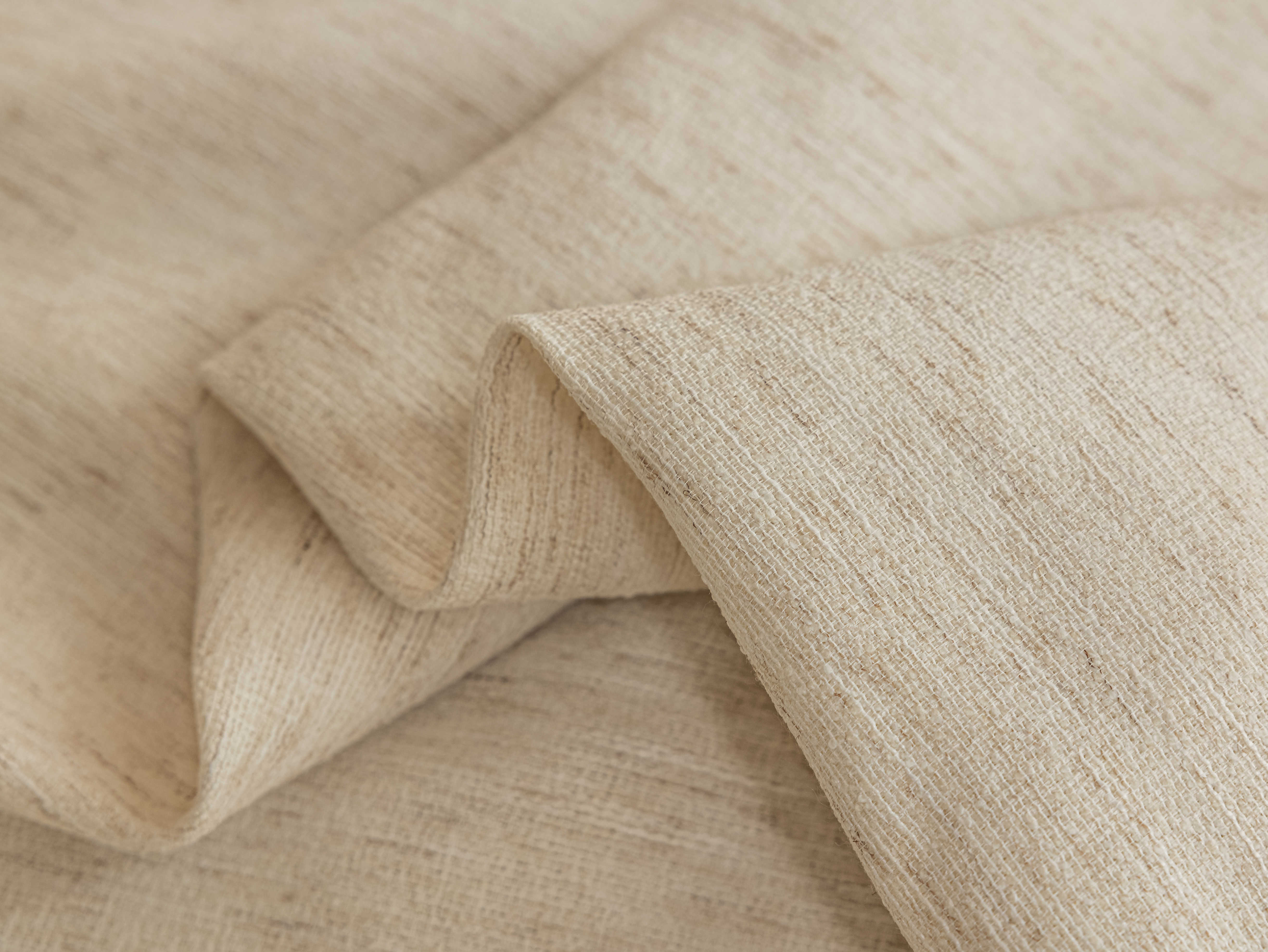
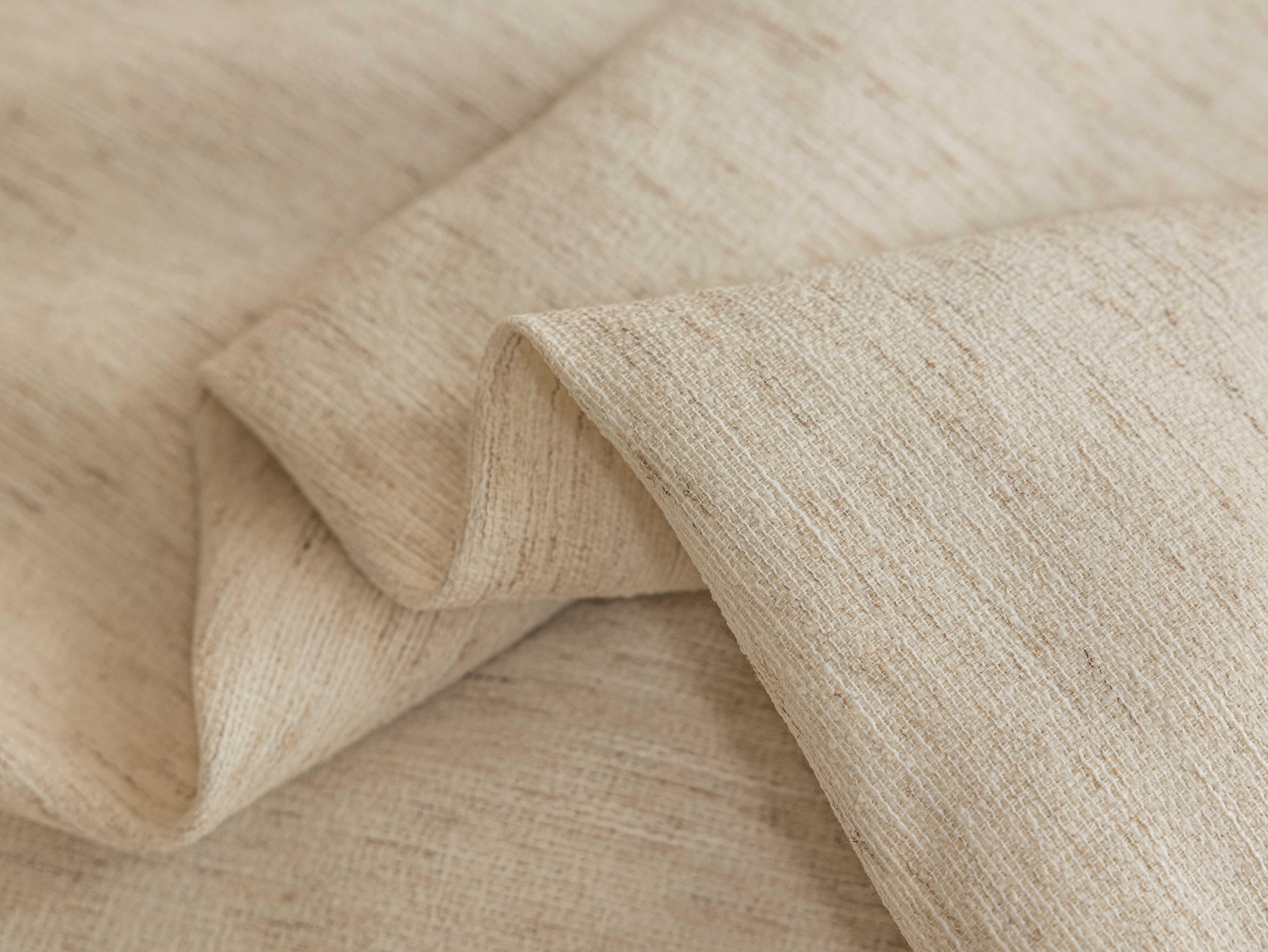
Woven fabric: made by vertically interweaving warp and weft yarns (such as cotton, silk, denim).
Knitted fabric: made by interlocking loops (such as sweat cloth, sweater fabric, elastic knitted fabric).
Non woven fabric: Fibers are directly formed through processes such as bonding and hot pressing (such as non-woven fabrics and medical mask fabrics).
3. Classify by functional characteristics
Conventional fabrics: used for daily clothing (such as pure cotton T-shirt fabric, polyester shirt fabric).
Functional fabrics: possessing special properties such as waterproof and breathable fabrics, anti-static fabrics, flame-retardant fabrics, and antibacterial fabrics.
3、 Functional textile fabrics
1. Waterproof and breathable fabric
Principle: A microporous structure is formed through coating (such as PU coating) or lamination process (such as Gore Tex film) to prevent water droplets from penetrating while allowing water vapor to pass through.
Application: Outdoor assault suit, ski suit, tent fabric.
2. Anti static fabric
Principle: Adding conductive fibers (such as metal fibers, carbon nanotubes) or using hydrophilic finishing agents to reduce charge accumulation.
Application: Electronic factory work clothes, gas station uniforms, dust-proof clean clothes.
3. Flame retardant fabric
Principle: Fibers themselves have flame retardancy (such as aramid) or flame retardants are added after finishing, making the fabric difficult to ignite when exposed to fire and self extinguishing when out of flame.
Application: Firefighting suits, aviation seat fabrics, children's pajamas (mandatory in some countries).
4. Antibacterial fabric
Principle: Inhibit bacterial growth by treating with antibacterial agents such as silver ions, copper ions, or quaternary ammonium salts.
Applications: sportswear (reducing sweat odor), medical textiles (surgical gowns, bandages), socks.
5. Intelligent temperature regulating fabric
Principle: Embedding phase change materials (such as paraffin microcapsules) to regulate body surface temperature through heat absorption/release.
Applications: Space suits, outdoor thermal clothing, professional clothing.
4、 Key points for fabric identification and care
1. Simple identification method
Combustion method:
Cotton/linen: burns quickly, has a paper burning smell, and loose ash is grayish white.
Wool/silk: burns slowly, has a burnt feather smell, and the ash is easily broken into brittle pieces.
Polyester/Nylon: When burned, it shrinks and emits black smoke, leaving behind hard and brittle black particles.
Texture and appearance: Natural fiber fabrics usually have a soft texture, while silk has a unique luster; Synthetic fiber fabrics are more rigid, with some having a unique "plastic feel" of synthetic fibers.
2. Nursing precautions
Natural fibers: Cotton and linen are prone to wrinkling, it is recommended to iron them at low temperatures; Wool/silk should be machine washed and exposed to sunlight, and neutral detergent should be used.
Synthetic fibers: polyester/nylon can be machine washed, but avoid friction with sharp objects to prevent pilling; Spandex fabric should avoid high temperature drying to reduce its bulletproof performance.
Functional fabrics: Waterproof fabrics should avoid frequent washing (damaging the coating), and antibacterial fabrics should be washed with detergent according to the instructions (avoiding damaging the antibacterial ingredients).
5、 The development trend of textile fabrics
Environmental Protection and Sustainability:
Develop recyclable fibers (such as recycled polyester) and bio based fibers (such as mushroom mycelium fibers) to reduce petroleum dependence.
Promote low-energy dyeing and finishing technologies (such as digital printing and supercritical CO ₂ dyeing) to reduce wastewater pollution.
Intelligence and functional integration:
Develop intelligent fabrics (such as sportswear that can monitor heart rate and luminous fabrics) by combining sensors and electronic components.
Multi functional composite fabric (such as outdoor clothing with waterproof, antibacterial, and temperature regulating functions).
Biomimetic and Nanotechnology:
Biomimetic lotus leaf surface superhydrophobic fabric, used in the field of anti fouling; Nano coating technology enhances the wrinkle resistance and wear resistance of fabrics.




Please first Loginlater ~